Decorative Peacock Feather Embroidery
A Designer’s First Look: Grace, Detail, and Quiet Confidence
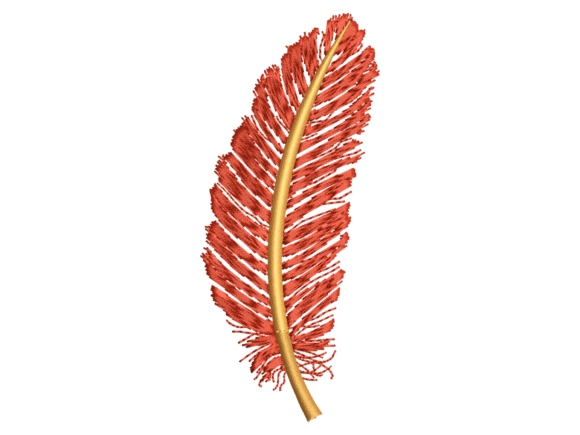
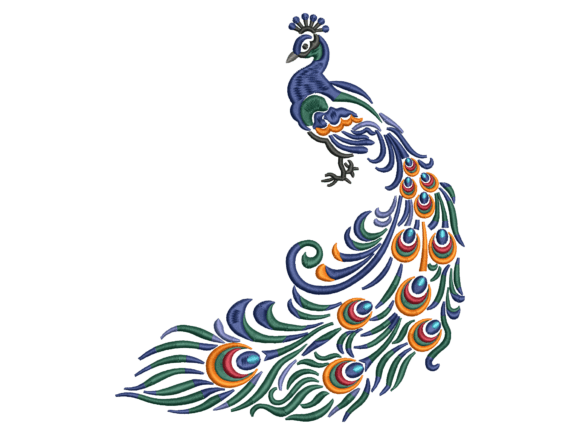
As an embroidery designer who’s tested hundreds of digital embroidery files for gift shops and Etsy sellers, I opened Decorative Peacock Feather Embroidery expecting elegance—and found something more: a design that breathes. It’s not overly ornate or fussy, yet it carries unmistakable presence—romantic without being saccharine, detailed without feeling fragile. The feather flows with gentle curves, its eye motif balanced just right—not too dominant, not too shy. This isn’t a seasonal trend piece; it’s timeless. Think heirloom baby blanket, not party favor. It leans classic with a whisper of modern minimalism in its clean line work and thoughtful negative space.
Where This Design Truly Shines (and Why Your Customers Will Love It)
Decorative Peacock Feather Embroidery is a quiet powerhouse for personalized gifts that carry emotional weight. For baby embroidery, it adds serene sophistication to organic cotton swaddles or muslin blankets—especially when stitched in soft sage, dove gray, or pale gold thread. On a linen pillow cover or embroidered towel, it becomes a subtle signature of care. Wedding gift designers will appreciate how easily it elevates monogrammed napkins or keepsake handkerchiefs—its symbolism of beauty, protection, and renewal resonates deeply. And for nursery decor? Stitched onto a custom tote bag or wall hanging, it feels intentional, calming, and quietly meaningful—not loud, but unforgettable.
Etsy sellers and small shop owners will find this machine embroidery design especially versatile for curated collections: pair it with neutral palettes and natural fibers to attract buyers seeking mindful, handmade quality. It also works beautifully as a custom embroidery preview—customers love seeing how the feather drapes across a curved apron or wraps elegantly around a tote handle in your printable mockup.
Smart Placement Matters: Know When—and Where—to Stitch
This design rewards intentionality. Its graceful lines and moderate detail make it ideal for stable, medium-weight fabrics like cotton twill, linen, quilting cotton, and midweight knits—but proceed with care on textured fabric, thick terry cloth towels, or highly stretchy baby clothes. The feather’s delicate barbs and subtle gradients can blur or distort if stabilizer isn’t matched precisely to the base material.
Avoid using Decorative Peacock Feather Embroidery for tiny lettering or micro-details—it’s not built for sub-½-inch applications. Similarly, skip curved surfaces like rounded mugs or tightly contoured baby hats unless you’ve tested stitch hold and tension thoroughly. On dark fabric, verify thread color contrast early: lighter metallics or matte pastels may recede instead of pop. And because this is often used for items like kitchen towels or baby blankets, remember—frequent washing demands robust stitch density and secure underlay. Always confirm commercial licensing before selling finished products featuring this embroidery file.
Why It Elevates Your Handmade Product—Beyond Aesthetics
There’s a quiet trust customers extend to well-executed embroidery. When Decorative Peacock Feather Embroidery appears on a pillow cover or custom tote, it signals craftsmanship—not mass production. That perception lifts perceived value instantly. Buyers don’t just see a feather; they feel intention, care, and personal resonance. That emotional connection translates directly into stronger buyer engagement, better product photography (the design photographs beautifully with natural light and soft shadows), and higher repeat purchase rates for your small shop product.
For wedding gift designers or baby product creators, this embroidery file helps position your offerings as thoughtful, heirloom-grade—not just decorative. It invites storytelling: “This feather was stitched by hand for your daughter’s first blanket,” or “We chose this symbol of renewal for your wedding day.” That narrative sticks. And for Etsy sellers, it’s a reliable anchor design—timeless enough to stay relevant season after season, flexible enough to refresh with new thread colors or fabric pairings.
Practical Embroidery Notes Every Maker Should Follow
Before stitching your first customer order, treat Decorative Peacock Feather Embroidery like a trusted collaborator—not just a file:
- Always test on scrap fabric—especially when switching between light and dark bases or trying new stabilizer combos.
- Check thread color contrast in daylight and artificial light. Metallics behave differently on linen vs. cotton.
- Confirm hoop size compatibility—this design likely fits standard 4x4 or 5x7 hoops, but verify before digitizing adjustments.
- Review stitch density in your embroidery software. Overly dense areas may pucker on lightweight fabrics; sparse zones may lack definition on textured surfaces.
- Use proper stabilizer: tear-away for stable wovens, cut-away for knits, and water-soluble for delicate overlays or lace-like effects.
- Compare light and dark fabric mockups side-by-side—what reads softly on ivory may vanish on charcoal.
- Inspect small details post-stitch: feather tips, eye motif clarity, and smooth transitions between satin and fill stitches.
- Confirm commercial licensing before offering finished products for sale—this is a digital embroidery file, and rights vary by seller.
Final Thought: More Than a Feather—It’s a Feeling
In a market crowded with quick trends and generic motifs, Decorative Peacock Feather Embroidery stands apart—not because it shouts, but because it listens. It understands the hush of a newborn’s room, the quiet pride of a handmade wedding gift, the warmth of a favorite embroidered towel pulled from the linen closet. As an embroidery designer, I don’t just recommend this file—I *trust* it. For baby embroidery, wedding gift collections, nursery decor, or any personalized gift where meaning matters more than flash, it delivers grace, reliability, and genuine handmade soul. Just remember: let the fabric, thread, and intention guide you—and always stitch with care.