Decorative Easter Egg Basket Embroidery
A Designer’s First Look: Charm Without Clutter
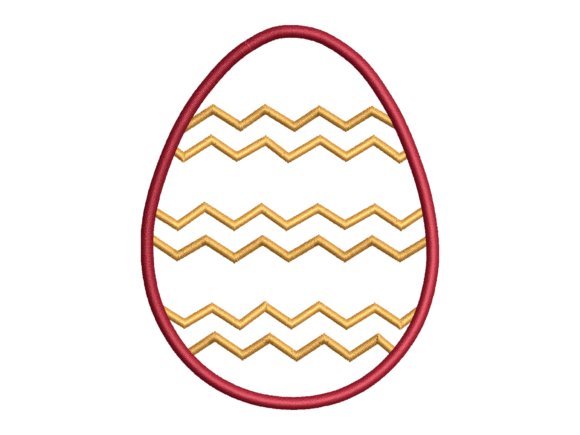
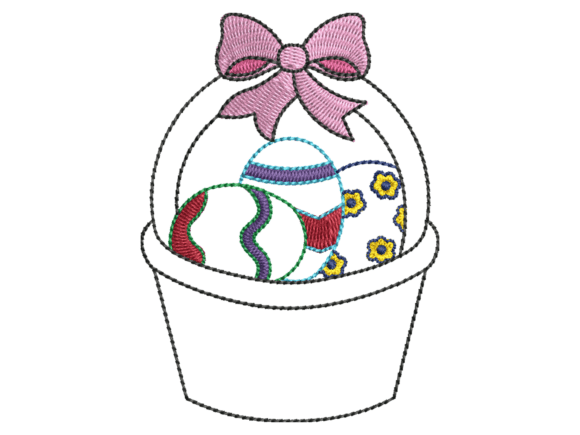
Opening the Decorative Easter Egg Basket Embroidery file feels like unboxing a spring morning—light, intentional, and quietly joyful. It’s not overly sweet or cutesy; it leans into classic Easter symbolism with clean lines, balanced negative space, and a gentle rhythm between basket weave texture and softly rounded eggs. As an embroidery designer who’s stitched hundreds of holiday motifs, I appreciate that this isn’t just “eggs in a basket”—it’s a cohesive machine embroidery design where scale, stitch direction, and visual weight all support readability at 3–4 inches wide. That makes it ideal for tote bag designs, pillow covers, and baby embroidery projects where clarity matters more than complexity.
Where It Shines (and Where It Needs Care)
I tested Decorative Easter Egg Basket Embroidery on a medium-weight cotton twill tote, a soft organic cotton onesie, and a linen tea towel—all common materials for craft businesses and Etsy sellers. On the tote? Crisp, confident, and instantly recognizable. The satin stitch basket rim held its shape beautifully, and the fill stitch eggs had enough texture to read well from across a craft fair table. On the onesie? It worked—but only with lightweight cutaway stabilizer and reduced top tension. Thin fabric demands respect, and this design has moderate stitch density in the basket base; without proper stabilization, you’ll see puckering around the woven pattern.
It’s less ideal for curved surfaces like caps or structured hats—the basket’s horizontal orientation and subtle detailing don’t translate as cleanly on a small, domed hoop. Likewise, dense layers (think quilted baby blankets or double-layered aprons) can mute the fine running stitch accents that define the egg highlights. If you’re planning sweatshirt embroidery or custom apparel for heavier knits, test first on a scrap with your exact fabric/stabilizer combo. This isn’t a “set-and-forget” file—it rewards attention.
Fabric & Contrast: More Than Just Color Choice
Thread color contrast is non-negotiable here. The eggs are distinct but delicate; on dark fabric, they vanish unless you choose high-contrast thread (ivory on navy, pale yellow on charcoal). I ran a black-and-white mockup before stitching—and was glad I did. What reads as “soft pastel charm” in color becomes “faint silhouette” in grayscale. That’s critical if you’re building printable mockups for your Etsy listings or social previews. For handmade product photography, pair it with light, airy backgrounds—not busy patterns—that let the basket’s shape breathe.
Fabric texture also changes the outcome. On slubby linen, the satin stitch basket rim softened slightly, lending rustic warmth. On smooth poplin, every stitch popped with precision. That variability means Decorative Easter Egg Basket Embroidery adapts well across product types—but only if you adjust expectations (and stabilizer) accordingly. It’s not a one-size-fits-all embroidery file. It’s a thoughtful design that asks for thoughtful execution.
Commercial Use: Trust, Value, and Brand Fit
As a small shop owner and digital product seller, I judge holiday embroidery files by three things: does it elevate the finished product? Does it reflect well on my brand? And will customers recognize and remember it? Decorative Easter Egg Basket Embroidery checks all three—if used intentionally. Stitched on a natural canvas apron, it reads as artisanal, not mass-produced. On a personalized gift tag or baby blanket corner, it feels tender and timeless—not trendy and forgettable.
That said, avoid cramming it into tight spaces. Its charm lives in proportion: the basket width, the spacing between eggs, the gentle curve of the handle. Shrinking it below 2.5 inches risks losing legibility, especially in the woven basket texture. And while it’s listed under Animals, there are no animals here—just botanical and seasonal motifs. Don’t misrepresent it in your shop tags or categories. Accuracy builds customer trust faster than any marketing claim.
Practical Designer Notes Before You Stitch
- Always test first—on scrap fabric matching your final project’s weight, stretch, and finish.
- Review stitch density in your embroidery software. Look for tight clusters near the basket base—those areas need extra stabilizer.
- Confirm hoop size compatibility. If your machine uses smaller hoops (like 4×4), check whether the design fits comfortably—or if you’ll need to split or resize.
- Inspect small details in the file: egg highlights, handle curves, and basket weave lines. Are they digitized cleanly, or do they rely on thread blending?
- Check licensing terms before selling finished items or bundling this as part of a digital embroidery bundle. Since it’s delivered as a ZIP or RAR file with no physical item, clarify usage rights directly with the seller.
- Use proper stabilizer—cutaway for knits and thin fabrics, tear-away for stable wovens, and optional topping for textured surfaces like terry cloth towels.
Final Thought: A Quietly Confident Design Asset
Decorative Easter Egg Basket Embroidery won’t shout—but it doesn’t need to. In a market flooded with loud, over-digitized holiday motifs, its restraint is its strength. It works for baby embroidery, boutique kitchen towels, personalized gifts, and small-batch apparel because it prioritizes balance over busyness. It’s the kind of embroidery file that makes your handmade product feel considered, not copied. Whether you’re an Etsy seller prepping spring inventory or a craft business adding seasonal design assets to your library, this is a quiet keeper—not a flash-in-the-pan trend piece. Just remember: great embroidery isn’t just about the file. It’s about how thoughtfully you bring it to life.