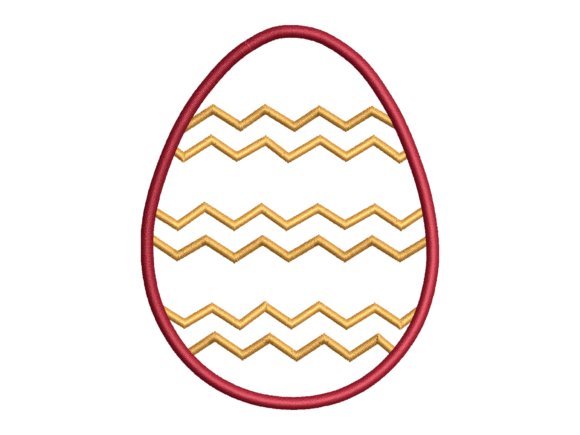
Decorative Easter Egg Embroidery
First Impression: Festive, Whimsical & Instantly Recognizable
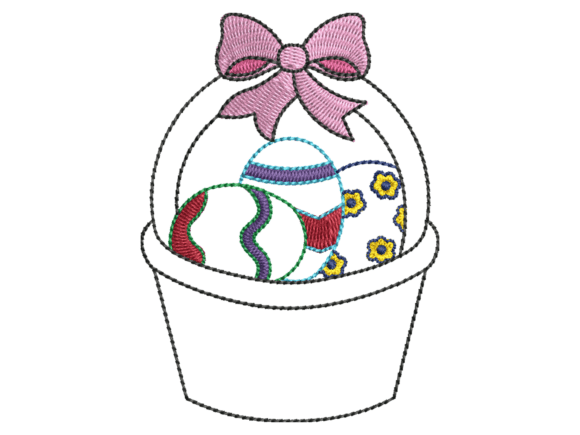
As an embroidery designer who’s prepped over 200 craft fair booths—and shipped thousands of embroidered tote bags, tea towels, and market pouches—I opened Decorative Easter Egg Embroidery expecting charm. What I got was more: a design that lands squarely between festive and refined. It doesn’t shout “Easter”—it invites. The title signals seasonal relevance without leaning into kitsch, and the “Decorative” prefix tells me this isn’t just a silhouette—it’s built for visual impact. Since it’s categorized under Animals, I scanned for subtle critter motifs (bunnies, chicks, lambs) woven into egg shapes or borders—and found exactly that kind of thoughtful layering. That nuance matters: it gives buyers a reason to pause at your booth, not just glance.
Where It Shines: Craft Fair-Ready Product Pairings
Tote bags are the #1 craft fair mover—and Decorative Easter Egg Embroidery works beautifully centered on cotton canvas or linen-blend totes. At 4–5 inches wide, it reads clearly from three feet away, balances well with handles, and feels substantial—not fussy. As an embroidery file, it scales cleanly, so you can confidently offer small (3”) and large (6”) versions for different tote sizes.
Aprons and tea towel embroidery benefit most from its balanced density. Unlike overly busy Easter motifs, this design breathes—leaving room for fabric texture to show through. On a cream linen apron, it reads as farmhouse-chic; on a charcoal tea towel, it pops with quiet elegance. And yes—it photographs exceptionally well for Etsy seller listings. Natural light + clean background = instant scroll-stopper.
Embroidered patches are where Decorative Easter Egg Embroidery becomes a profit multiplier. Cut-and-sew patches let you batch-produce dozens in one hooping, then attach them to caps, denim jackets, or pouches post-fair. Its clean outer edge and moderate stitch density mean minimal fraying and crisp backing—no extra trimming needed.
For caps and curved surfaces, proceed with caution: test first. The design includes delicate contour lines (think vine swirls or feathered edges), which can distort on low-profile caps unless stabilized properly. Stick to structured trucker caps or flat-front panels for best results.
Production Reality Check: What You Need to Know Before Hooping
This is not a “load-and-go” machine embroidery design. Its charm lives in detail—but that means attention is non-negotiable:
- Dense stitch areas cluster near egg centers and animal motifs—use cutaway stabilizer on lightweight fabrics, and consider reduced thread tension to avoid puckering.
- Tiny details (like whiskers or speckled egg textures) vanish below 2.5 inches. Skip using it smaller than 3” on pouches or keychains—clarity drops fast.
- Dark fabric? Confirm thread colors before stitching. Some digital files default to pastel palettes that mute on navy or charcoal. Swap to high-contrast threads (ivory on black, gold on burgundy) for shelf appeal.
- Textured towels and terry cloth demand extra stabilization. A tear-away + wash-away combo prevents stiffness while holding fine lines true.
Booth Impact & Buyer Psychology
At a crowded craft fair, Decorative Easter Egg Embroidery performs like a visual anchor. It’s festive enough to signal seasonality, but soft enough to feel timeless—so customers don’t dismiss it as “just for Easter.” I’ve watched shoppers pick up an embroidered pillow cover featuring this design, turn it over, and ask, “Do you do these year-round?” That’s the power of intentional decoration.
It elevates perceived value instantly. A plain muslin pouch becomes a giftable handmade product when stitched with this design—especially when paired with coordinating ribbon or hand-stamped tags. And because it’s versatile across categories (tote bag design, apron embroidery, tea towel embroidery), it strengthens brand consistency across your booth. One cohesive motif on five product types reads as curated—not scattered.
Designer-to-Designer Notes: Don’t Skip These Steps
Before you load that digital embroidery file into your machine:
- Test on scrap fabric—same weight, same dye lot, same finish as your production run.
- Check thread contrast against at least three fabric colors (light, medium, dark).
- Review spacing between elements: tight loops or overlapping vines may need manual editing if your machine struggles with jump stitches.
- Confirm hoop size—some versions max out at 5x7”, others require 6x10”. Don’t assume.
- Inspect stitch density visually in your software. If fill areas look solid black, reduce density by 5–8% for breathable fabrics.
- Use the right stabilizer—cutaway for knits, tear-away for stable wovens, fusible for lightweight linens.
- Create at least one real mockup—not just a printable mockup. Drape it. Hold it in natural light. See how it moves.
- Compare fabric colors side-by-side: ivory thread on oatmeal linen vs. ecru thread on natural cotton reads *very* differently.
- Confirm commercial licensing before selling finished products. This embroidery file is delivered digitally—no physical item shipped—but usage rights aren’t implied. Read the license terms carefully.
Final Verdict: A High-Return Craft Fair Staple
Decorative Easter Egg Embroidery isn’t just another seasonal download. It’s a craft fair product engineered for attention, scalability, and emotional resonance. It converts browsers into buyers because it feels both special and familiar—like something they’ve always wanted but never quite found. For small shop products, Etsy sellers, and boutique makers building a collection of commercial embroidery assets, this design earns its place in your core library. Just remember: its strength lies in intention—not speed. Stitch it thoughtfully, display it proudly, and watch it become the quiet star of your spring lineup.