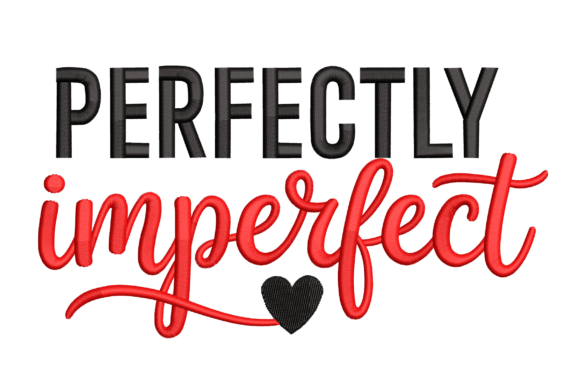
Perfectly Imperfect
A Designer’s First Impression: Modern, Warm, and Intentionally Human
Opening Perfectly Imperfect on my embroidery software, I felt that quiet spark of recognition—the kind you get when a design feels both fresh and familiar. It’s not fussy or overly technical; it’s an Inspirational machine embroidery design with soft curves, gentle asymmetry, and subtle texture in the stitching. Think hand-drawn charm meets clean digital execution. The visual personality leans warm, approachable, and quietly confident—not bold enough to dominate, but strong enough to anchor a piece. It reads as trendy without chasing micro-trends, and casual without feeling disposable. For boutique apparel, that balance is gold.
Sweatshirt Embroidery That Feels Thoughtful, Not Tacked-On
I tested Perfectly Imperfect on a midweight neutral sweatshirt first—soft fleece, minimal shrinkage, medium stretch. Placed just left of center on the chest (a classic hoodie design spot), it landed beautifully: legible at 3.5", with enough breathing room around the shape to avoid crowding. The stitch density feels intentional—not too light to vanish, not so dense it stiffens the fabric. On dark garments, I paired it with matte ecru thread for contrast that whispers rather than shouts. On pastel hoodies? A slightly deeper tone—like heather sage or dusty rose—added warmth without clashing. This isn’t a design that screams “look at me.” It invites pause. That subtlety builds trust with customers browsing small shop product listings—it signals care, not clutter.
Where It Shines Beyond the Chest
- Sleeve accents: Reduced to 2.25", it adds quiet polish to rolled cuffs—ideal for oversized sweatshirts where big front designs can overwhelm.
- Back designs: Enlarged to 5.5" and centered, it becomes a gentle focal point—especially effective on cozy seasonal outfits like cropped knits or brushed cotton jackets.
- T-shirt embroidery: Works best on structured cotton or poly-cotton blends—not ultra-thin jersey. Keep placement high-shoulder or upper-back to avoid distortion from movement.
- Denim jackets & tote bags: Its organic line quality complements raw hems and natural fibers. Avoid heavy stabilizer here—light cutaway or tear-away keeps the drape intact.
Real-World Considerations for Commercial Embroidery
As someone who ships hundreds of custom apparel pieces yearly, I pay close attention to how a Creative Fabrica embroidery file behaves under production pressure. Perfectly Imperfect holds up well—but only if you respect its rhythm. It’s not built for tight curves like collar bands or tiny pocket corners. Skip ribbed fabric unless you’re using a very fine needle and reduced top tension. On stretchy fabrics, double-layer tear-away + light iron-on stabilizer prevents puckering. And always test on scrap fabric pulled from the *exact same garment batch*—dye lots and fabric finishes vary more than we assume.
What You’ll Want to Confirm Before Production
- Hoop size: Check the file specs—some versions may require larger hoops for full-size rendering.
- Thread colors: Review the recommended palette, then compare against your brand’s core thread library. Does it harmonize—or demand a new spool?
- Licensing: Since this is an Embroidery file intended for finished product use, verify Creative Fabrica’s current commercial terms before listing on Etsy or your boutique site.
- Stitch density: If your machine struggles with dense fills, zoom into the file—does it layer smoothly, or does it risk skipped stitches on fleece?
How It Elevates Your Boutique Brand Identity
Perfectly Imperfect doesn’t shout your logo—it deepens your story. When used consistently across sweatshirt embroidery, tote bag designs, and even printable mockups for social media, it creates visual consistency without repetition. Customers begin to recognize that gentle asymmetry, that intentional looseness in the line work. That recognition builds brand identity faster than any slogan. For an Etsy seller or handmade product brand, that quiet cohesion translates directly to buyer trust: it signals intention, craftsmanship, and attention to detail—even before the first stitch hits fabric.
Photography, Mockups, and Customer Engagement
This design photographs exceptionally well. Its soft edges diffuse harsh light, and its modest scale avoids overwhelming lifestyle product photos. In printable mockups, it sits naturally—not floating, not sinking—making your digital listings feel authentic and tactile. On Instagram or Pinterest, it performs well in flat lays next to coffee mugs, dried florals, or folded linen—reinforcing that curated, grounded aesthetic many small clothing brands cultivate. It doesn’t distract from the garment’s texture or cut; instead, it enhances it.
A Final Note for the Practical Designer
Perfectly Imperfect earns its name—not because it’s technically flawed, but because it embraces humanity in its lines. It’s the kind of digital embroidery file that reminds us why people choose handmade over mass-produced: for warmth, variation, and soul. Use it where you want your apparel to feel considered, not calculated. Test it thoughtfully. Pair it intentionally. And let it breathe on the fabric—don’t crowd it with other elements. When executed with care, Perfectly Imperfect doesn’t just decorate apparel. It dignifies it.