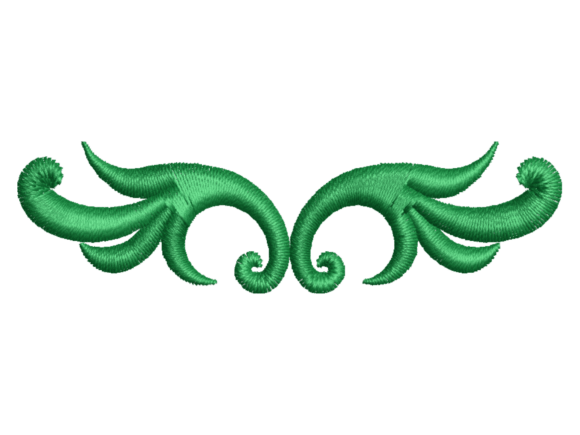
Ottoman Winged Border Embroidery
A Timeless, Fluid Accent for Small Business Branding
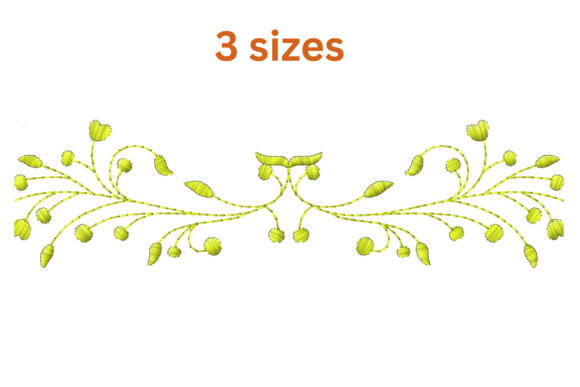
As an embroidery designer who’s developed hundreds of commercial designs for cafés, florists, bakeries, pet brands, and handmade studios, my first impression of the Ottoman Winged Border Embroidery is immediate: it reads as elegant, confident, and quietly premium—without feeling stiff or overly ornate. The “Emerald Scroll Filigree” description hints at organic movement, and the “mirrored set of elegant, sweeping curves and curled tip” delivers exactly that—a balanced, rhythmic border that breathes rather than overwhelms. It leans classic with a subtle Ottoman-inspired flourish, making it versatile across industries: think linen aprons for a ceramic studio, curved cap fronts for a boutique florist, or sleeve accents on staff uniforms for a specialty coffee roaster.
Where This Border Shines in Real Small Business Merch
The Ottoman Winged Border Embroidery isn’t just decorative—it’s a strategic branding tool when applied intentionally. As an embroidered patch, its mirrored symmetry ensures clean alignment on lapels, tote bag corners, or product packaging tags. On aprons and work shirts, it frames logos beautifully—especially when placed along pocket edges or hemlines—adding polish without competing with core branding. For cap embroidery, it works best along the curved back strap or as a subtle side accent (not center front), where its flowing lines complement head shape and movement. On tote bags and reusable market sacks, it elevates perceived value instantly—customers subconsciously associate refined borders with craftsmanship and care.
For Etsy sellers and handmade brands, this design strengthens visual consistency across digital and physical touchpoints. Use it as a recurring motif in printable mockups, social media banners, and even packaging tape seals—its scroll-like rhythm translates well to vector-based assets. In custom apparel for local events or pop-ups, the Ottoman Winged Border Embroidery signals intentionality: your brand didn’t grab a generic clipart border—it invested in something fluid, memorable, and ownable.
Smart Placement—and Where to Pause
While versatile, this border demands thoughtful application. Its elegance relies on breathing room—so avoid cramming it into tiny patches under 1.5 inches wide. At small scales, the curled tips and fine scrollwork risk stitching distortion or thread nesting, especially on textured fabrics like canvas or terry cloth. Cap fronts are also tricky: the curvature can stretch delicate filigree unless digitized with precise underlay and tension control. Similarly, dark uniforms (navy, charcoal, black) require high-contrast thread colors—emerald green may recede unless paired with ivory, gold, or crisp white.
High stitch density is implied by the “scroll filigree” description, so always verify actual stitch count before mass production. Dense fills increase cost, wear time, and stabilizer dependency—critical for items like aprons or tote bags that endure frequent washing and abrasion. If your fabric has heavy texture (e.g., burlap, thick denim, or quilted cotton), test the Ottoman Winged Border Embroidery with tear-away + cut-away stabilizer combo to prevent puckering or skipped stitches.
How It Strengthens Your Brand Identity
In a crowded marketplace, consistency builds trust—and the Ottoman Winged Border Embroidery delivers cohesion without repetition. Unlike bold logomarks that dominate, this border supports your primary identity while adding quiet sophistication. Customers remember how your brand *feels*: warm but polished, artisanal but professional, rooted but fresh. That perception directly lifts perceived product value—whether it’s a $45 linen apron or a $12 branded tote. For service-based businesses (like yoga studios or pet groomers), it subtly communicates care and attention to detail. And because it’s inherently scalable—working equally well on a 4-inch chest patch or a 10-inch tote bag hem—it helps unify your design assets across merch tiers.
Practical Designer Notes Before You Stitch
- Always test in black and white first—this reveals contrast issues, spacing gaps, and unintended visual weight before committing to thread colors.
- Check minimum viable size: embroider a 1.75" version on your target fabric to confirm curled tips and inner scrolls remain legible and stable.
- Review thread color contrast carefully, especially against dark or busy backgrounds—emerald tones need luminous pairings (e.g., silver metallic, cream, or antique gold) to retain clarity.
- Inspect spacing between mirrored elements: uneven gaps break rhythm and undermine professionalism—adjust if needed before finalizing your embroidery file.
- Confirm hoop size compatibility with your machine and intended placement—some versions may require larger hoops for full sweep, limiting use on narrow areas like cap sides.
- Test on real fabric—not just stabilizer: drape, stretch, and wash-test a sample to assess durability and softness post-embroidery.
- Use proper stabilizer: medium-weight cut-away for stable fabrics; blended tear-away/cut-away for knits or textured weaves.
- Create a client-ready printable mockup showing the Ottoman Winged Border Embroidery on actual product photos—this prevents misaligned expectations and speeds approval.
- Compare it beside your other design assets: does it harmonize with your logo, typography, and secondary patterns? Consistency multiplies impact.
- Verify commercial licensing before using in paid merchandise—ensure your digital embroidery file permits small business merch, embroidered patches, and resale applications.
Bottom line: the Ottoman Winged Border Embroidery is more than a decorative flourish—it’s a refined, scalable asset for small business merch that bridges heritage and modernity. When applied with intention, it reinforces brand identity, elevates finished product quality, and deepens customer engagement—thread by thoughtful thread.