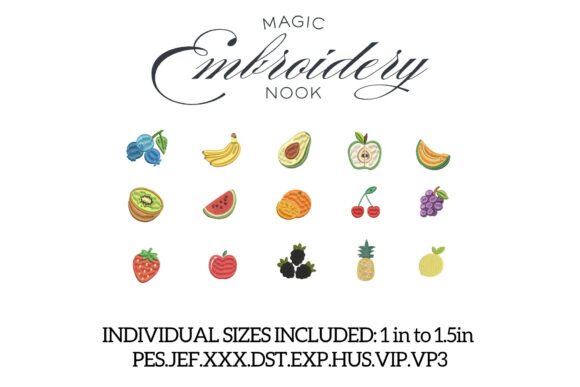
Mini Fruits Bundle X 16 Design
First Impression: Bright, Playful & Instantly Recognizable
As an embroidery designer who’s prepped over 200 craft fair booths—from Brooklyn bazaars to Midwest farmers’ markets—I opened Mini Fruits Bundle X 16 Design expecting cheerful simplicity. What I found was exactly that: a cohesive set of vibrant stitched produce icons that read as summery, friendly, and refreshingly uncluttered. It’s not rustic or farmhouse—it’s modern-cute with clean lines and confident color blocking. No overly fussy stems or shaded gradients; just bold, joyful fruit silhouettes sized for impact at small scale. That’s critical when your customer is scanning a crowded booth in under three seconds.
Where This Bundle Shines on Craft Fair Products
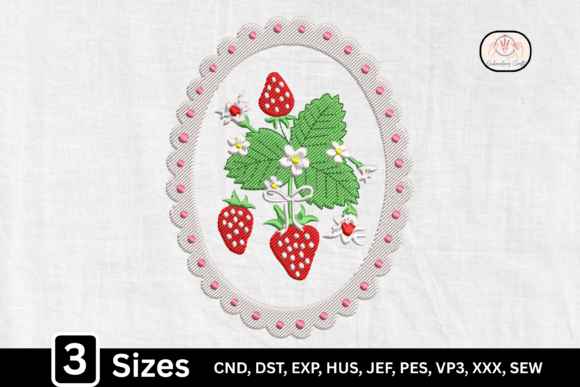
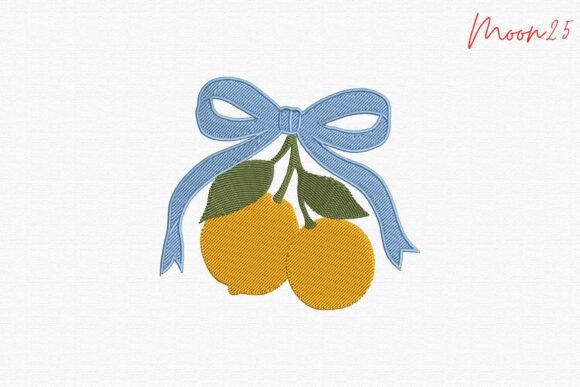
Tote bags: A single mini fruit—like the strawberry or lemon—centered on a natural canvas tote creates instant charm. It reads clearly from six feet away and pairs beautifully with hand-stamped tags or chalkboard signage. No need for large-scale repeats; the design’s strength is in its focused, graphic punch.
Aprons and tea towel embroidery: Here’s where Mini Fruits Bundle X 16 Design earns its keep. Placed above the pocket on a denim apron or clustered in a loose diagonal on a linen tea towel, these icons feel intentional—not cutesy, not childish, but warmly functional. Customers associate them with freshness, care, and handmade authenticity—key emotional triggers for Food Dining buyers.
Embroidered patches and fabric pouches: These are your high-margin, low-effort craft fair winners—and this bundle is tailor-made for them. Each fruit holds up beautifully at 1.5”–2” wide, stitches cleanly across varied fabric weights, and gives customers an easy way to personalize backpacks, jackets, or market bags. Bonus: patches photograph exceptionally well for Etsy listings and printable mockups.
Caps and pillow covers: Use caution here. The curved surface of a cap distorts tiny details—so skip the smallest fruits (like the blueberry or grape cluster) unless you’re using a high-quality cap frame and ultra-light stabilizer. On pillow covers, anchor one larger fruit (watermelon slice or peach) in the lower corner for asymmetrical, boutique-level appeal.
What Makes It Sell—And What Requires Extra Care
This bundle works because it’s immediately legible. At a glance, shoppers know it’s fruit. They feel summer. They imagine gifting it. That clarity translates directly to faster decisions at your booth—and higher conversion on small shop products like keychains, sachets, or mini wall hangings.
But let’s talk practicalities. As a machine embroidery designer, I always ask: Does it stitch reliably across real-world fabrics? For Mini Fruits Bundle X 16 Design, yes—if you respect its limits. Avoid dense stitch areas on thick terrycloth towels or textured jacquard—weave. Tiny details (like leaf veins or seed dots) may vanish on dark fabric without high-contrast thread colors. And while most icons scale well down to 1.2”, don’t shrink the entire bundle below that without testing: some lose definition, especially the fig or kiwi.
Production Notes Every Embroidery Business Owner Should Follow
- Always test the embroidery file on scrap fabric matching your final product—linen for tea towels, cotton twill for aprons, polyester blend for caps.
- Check thread contrast before stitching 50 units. A lime green apple on kelly green fabric? Gorgeous in theory—disappears in person.
- Review spacing and stitch density carefully. Even “mini” designs can pack too many satin stitches into tight curves, causing puckering on lightweight cotton.
- Confirm hoop size compatibility. Some icons may require a 4x4 hoop minimum—critical if you’re running batch production on compact commercial machines.
- Use the right stabilizer: tear-away for stable wovens, cut-away for knits or stretchy pouch fabrics, and fusible + tear-away for textured tea towels.
- Create at least one real mockup—not just a digital preview. Hang that embroidered market bag on your booth display rack. Drape the apron over a stool. See how light hits the stitches.
- Compare fabric colors side-by-side. A raspberry icon looks electric on ivory but muddy on oat. Your color story drives perceived value.
- Confirm commercial licensing before selling finished products. Since the disclaimer notes these are “created in” [unspecified software], verify usage rights—especially for Etsy sellers and digital embroidery file resellers.
Why It Strengthens Your Booth—and Your Brand
In a sea of generic florals and overused quotes, Mini Fruits Bundle X 16 Design adds visual rhythm and thematic cohesion. Group three different fruits on a single shelf display—strawberry, orange wedge, and pineapple—and you’ve got built-in storytelling. That consistency builds brand recognition across tote bags, patches, and pillow covers. Customers begin to associate your booth with freshness, playfulness, and meticulous execution.
It also elevates perceived handmade quality. Clean stitching, balanced fill areas, and thoughtful icon spacing tell buyers you invest in detail—not just speed. That translates directly to willingness to pay premium pricing, repeat purchases, and word-of-mouth referrals at local markets.
Final Thought for Creative Entrepreneurs
Mini Fruits Bundle X 16 Design isn’t just another embroidery file—it’s a versatile, mood-lifting design asset ready to anchor your next craft fair lineup. It performs beautifully on high-turnover items like patches and pouches, adds quiet sophistication to kitchen textiles, and photographs like a dream for social media and Etsy listings. But its real power lies in how it helps you communicate—without words—that your handmade product is joyful, intentional, and deeply rooted in the everyday pleasures of food, season, and craft. Just remember: test, tweak, and trust your eye before you stitch your first dozen. Because in the handmade economy, clarity, consistency, and charm sell faster than anything else.