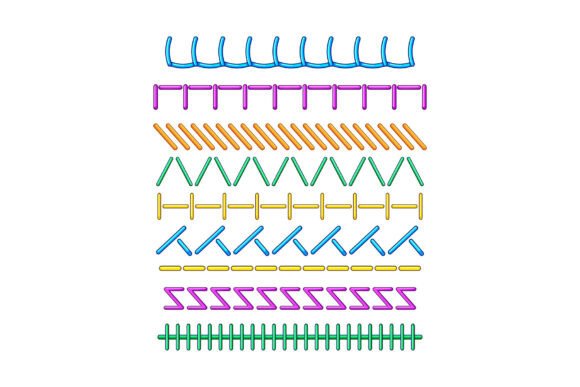
Colorful Embroidery Stitch Patterns Show
A Designer’s First Look: Vibrant, Clear, and Ready for Apparel
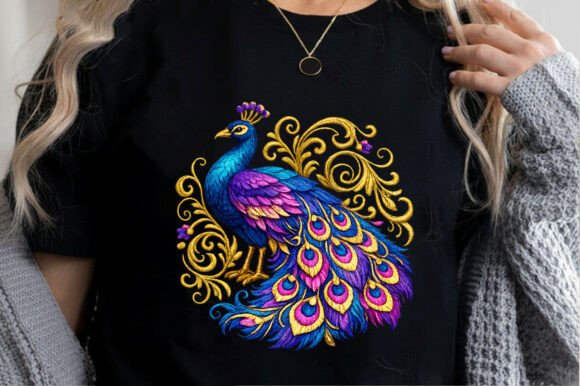
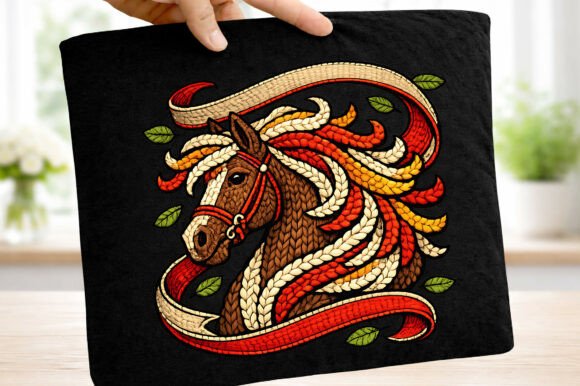
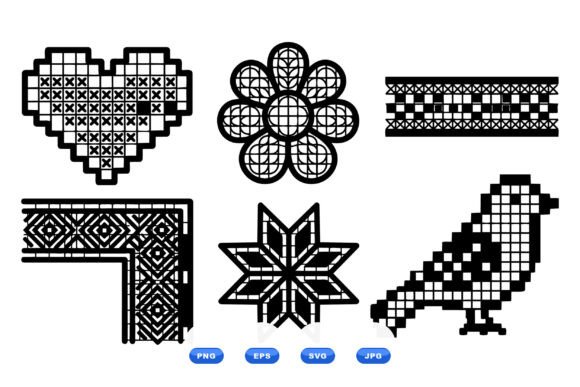
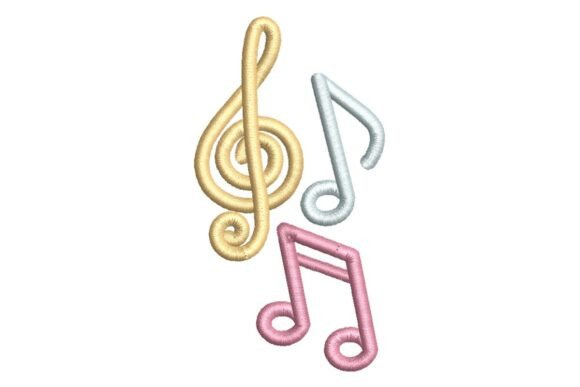
As someone who’s digitized over 300 embroidery files for boutique apparel—sweatshirts, hoodies, denim jackets, and seasonal totes—I opened Colorful Embroidery Stitch Patterns Show expecting visual inspiration, not production-ready assets. What I found was unexpectedly useful: a tightly curated set of hand-embroidery-inspired illustrations rendered with crisp precision on clean white backgrounds. These aren’t vector doodles or generic clipart—they’re authentic-looking thread formations: French knots with subtle shadowing, satin stitch gradients, lazy daisy clusters, chain stitch loops, and even textured backstitch bands—all rendered in rich, saturated thread colors that pop without feeling artificial.
The mood is playful but polished—neither overly childish nor stiffly formal. It leans gently feminine and artisanal, yet holds enough graphic strength to read clearly on oversized sweatshirts or curved hoodie chests. There’s no visible grain, noise, or compression artifacts. As an Illustrations collection under the Graphics category, it’s designed for adaptation—not direct machine stitching—but its clarity makes it ideal as a reference, mockup base, or design foundation for custom apparel projects.
How It Performs Across Real Boutique Apparel Projects
Sweatshirt & hoodie chest placement: The balanced scale and rhythmic spacing of patterns in Colorful Embroidery Stitch Patterns Show translate beautifully to center-chest embroidery. On heather grey or oatmeal fleece, a single motif (like the coral-and-teal floral stitch cluster) reads as intentional, elevated, and tactile—even before stitching begins. Its clean background allows easy isolation for digital mockups or embroidery digitizing.
Sleeve accents & back designs: Smaller motifs work exceptionally well for sleeve cuffs or shoulder seams—especially on oversized hoodies where minimalism reads as luxury. Larger arrangements (e.g., the zigzag vine pattern) scale cleanly for back-of-hoodie placements without overwhelming the garment’s silhouette.
T-shirts & denim jackets: Because these illustrations emphasize thread texture over fine line work, they avoid the “flat logo” trap. When adapted into simplified embroidery files, they retain handmade charm—ideal for small-batch t-shirts targeting conscious consumers or denim jackets seeking artisan credibility.
Tote bags & lifestyle merchandise: This collection shines here. The bold color blocking and clear stitch definition make it perfect for printed tote mockups used in Instagram carousels or Etsy listings. Buyers instantly recognize the *craft* behind the product—not just the print.
Printable mockups & social graphics: As a Creative Fabrica embroidery asset, Colorful Embroidery Stitch Patterns Show saves hours. Use motifs directly in Canva or Adobe Express to build cohesive brand visuals—no need to redraw stitches from scratch when presenting your next small shop product launch.
Where to Use It Thoughtfully
This isn’t a one-size-fits-all embroidery file. Its illustrative nature means success depends on smart adaptation:
- Small chest placement: Select only the most compact motifs—avoid dense clusters unless reducing size significantly and testing stitch density.
- Stretchy or ribbed fabric: Don’t trace directly onto knit. Use the illustration as a guide, then simplify outlines and reinforce underlay in your digitizing software.
- Dark garments: The original white background means you’ll need to manually remove it or use clipping paths. Confirm thread color contrast—vibrant pinks and teals hold up well on navy or charcoal; pale yellows may fade on black.
- Curved surfaces (hoodie hoods, pocket flaps): Test motif proportions on a physical mockup first—the illustration’s flat perspective doesn’t account for fabric drape.
- Fleece or thick fabrics: Avoid motifs with ultra-fine internal details (e.g., tiny seed stitches). Prioritize bolder shapes that maintain legibility after stabilizer pull and fabric compression.
Design Impact Beyond the Stitch
Using Colorful Embroidery Stitch Patterns Show thoughtfully elevates more than just appearance—it strengthens brand identity. When your Etsy seller page features lifestyle photos with consistent stitch motifs across sweatshirts, totes, and tags, customers subconsciously register cohesion and care. That consistency builds buyer trust: it signals you’re not reselling generic designs, but curating a handmade product experience.
For small clothing brands, this collection supports visual storytelling. A pastel hoodie featuring the mint-and-lavender leaf motif feels intentional and seasonally grounded. A charcoal sweatshirt with the mustard-and-indigo geometric band reads confident and contemporary. That kind of quiet recognition—where customers pause and say *“I know that stitch”*—drives repeat engagement and organic sharing.
Practical Notes Every Embroidery Designer Should Check
Before committing to a full production run:
- Test the chosen motif on scrap fabric matching your final garment’s weight and stretch.
- Confirm stabilizer choice—lightweight cutaway works best for dense areas; tear-away suffices for open motifs.
- Review thread color contrast against your apparel palette—not just on screen, but under natural light.
- Verify hoop size compatibility. Some motifs span wider than standard 4×4 hoops; check Creative Fabrica’s product details before digitizing.
- Inspect stitch density if converting to machine embroidery. Hand-illustrated textures often require strategic simplification to avoid puckering on knits.
- Always test on the same fabric type—fleece behaves differently than cotton jersey, even with identical stitch counts.
- Compare placement options digitally *and* physically—center chest vs. left chest vs. sleeve yields very different brand impressions.
- Double-check licensing terms on Creative Fabrica. While Colorful Embroidery Stitch Patterns Show is labeled Graphics, commercial embroidery rights depend on the specific license purchased.
Ultimately, Colorful Embroidery Stitch Patterns Show isn’t a shortcut—it’s a thoughtful starting point. For the boutique brand building a distinct voice, the Etsy seller refining their handmade product story, or the small shop owner choosing every detail with intention, it offers authenticity with flexibility. Used with care, it helps turn custom apparel from “nice” into *unmistakably yours*.